
Published June 16, 2026
Should You Waive Contingencies When Buying a Home in Washington DC? Here’s What Smart Buyers Need to Know.

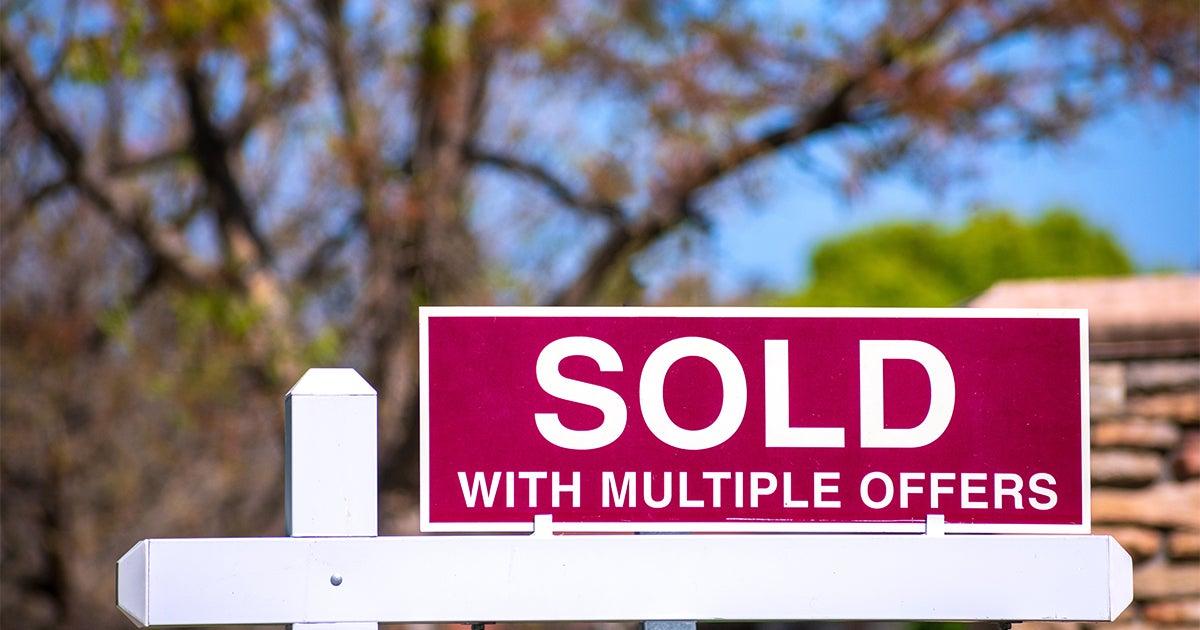
If you’ve been shopping for a home in Washington DC, chances are you’ve heard this advice before:
“If you really want to win the house, you may need to waive contingencies.”
And if that makes you uncomfortable…
It should.
Because while waiving contingencies can absolutely strengthen your offer in a competitive market, it can also expose buyers to significant financial risk if done without a clear strategy.
So let’s start with the direct answer.
Should you waive contingencies in Washington, DC?
Sometimes — but almost never blindly.
In highly competitive DC neighborhoods, adjusting contingencies can absolutely help your offer stand out. But the right decision depends entirely on the property, the market conditions, your financial position, and which contingency you’re actually considering removing.
Because not all contingencies carry the same level of risk.
Why This Matters More in Washington, DC
Unlike many markets around the country, Washington, DC — particularly neighborhoods like Capitol Hill, Logan Circle, Shaw, and Navy Yard — continues to experience highly competitive micro-markets.
At Fulcrum Residential, we regularly see desirable homes receive multiple offers within the first weekend, particularly when inventory remains tight.
And when sellers compare offers, they’re usually evaluating two things:
Price… and certainty.
Contingencies create uncertainty.
The fewer potential obstacles between contract and closing, the stronger an offer often appears.
That’s why buyers feel pressure to waive protections.
But understanding the tradeoff matters.
The Most Common Contingencies Buyers Consider Waiving
1. Home Inspection Contingency
This is the most commonly adjusted contingency in competitive DC offers.
Normally, an inspection contingency allows buyers to inspect the property and negotiate repairs — or walk away if significant issues are discovered.
If you waive it entirely?
You’re accepting the home as-is.
And in DC’s older housing stock, that can become expensive quickly.
Many homes in neighborhoods like Capitol Hill or Brookland were built decades ago — sometimes more than a century ago.
That means unexpected issues can include:
• Aging electrical systems
• Sewer line problems
• Roof replacement needs
• Foundation concerns
• Water intrusion
• Deferred maintenance hidden behind cosmetic renovations
Real Example:
We recently saw a buyer waive inspection protections on a competitive Capitol Hill rowhome.
After settlement?
They discovered significant moisture issues in the basement that required over $18,000 in repairs.
The winning offer saved them the house.
But cost them far more than expected afterward.
Better strategy:
Instead of waiving inspection entirely, many buyers perform a pre-inspection before submitting the offer or shorten inspection timelines while preserving some protection.
2. Appraisal Contingency
An appraisal contingency protects buyers if the property appraises below the contract price.
This matters when multiple buyers push offers above asking price.
If you waive appraisal protection and the property appraises low?
You may need to bring additional cash to closing.
Real Example:
A buyer offers $825,000 on a home listed at $799,000 in Capitol Hill.
The appraisal comes back at $790,000.
If appraisal protection was waived…
The buyer may need to cover $35,000+ out of pocket to close.
This happens more often during aggressive bidding situations.
3. Financing Contingency
This protects buyers if mortgage approval falls through.
Waiving financing means:
If your lender cannot close…
You may lose your earnest money deposit.
For highly qualified buyers working with strong lending partners like Envoy Mortgage, buyers sometimes feel comfortable reducing financing timelines.
But waiving entirely?
That requires serious confidence in your loan profile.
4. Condo Document Review Contingency
This one gets overlooked often in DC.
When buying condos, buyers typically review association documents before fully committing.
These documents may reveal:
• Low reserve funds
• Upcoming special assessments
• Rental restrictions
• Insurance concerns
• Litigation involving the building
And older DC condo buildings can carry surprises.
Waiving document review without understanding the association can create expensive long-term consequences.
What Competitive Buyers Are Doing Right Now
In today’s DC market, we’re seeing successful buyers use more strategic alternatives instead of simply waiving protections.
That includes:
• Pre-inspections before submitting offers
• Larger earnest money deposits
• Shorter contingency timelines
• Flexible settlement dates sellers prefer
• Strong lender communication upfront
• Limited inspection contingencies rather than full waivers
In other words:
Buyers are strengthening offers without taking unnecessary risk.
So… Should You Waive Contingencies?
The honest answer:
Sometimes. But strategy matters more than aggression.
In Washington, DC’s most competitive neighborhoods, strong offers absolutely matter.
But winning a house should never mean exposing yourself to avoidable financial mistakes.
The goal isn’t simply getting under contract.
The goal is protecting your long-term investment while staying competitive enough to win.
At Fulcrum Residential, one of the biggest parts of our job is helping buyers understand how to compete intelligently — especially in neighborhoods where multiple offer situations happen fast.
Because in competitive markets…
The strongest offer isn’t always the riskiest offer.
And sometimes knowing what not to waive is just as important as knowing how to win.

Ty Voyles
Co-founder | CEO | Fulcrum Residential
or another way